
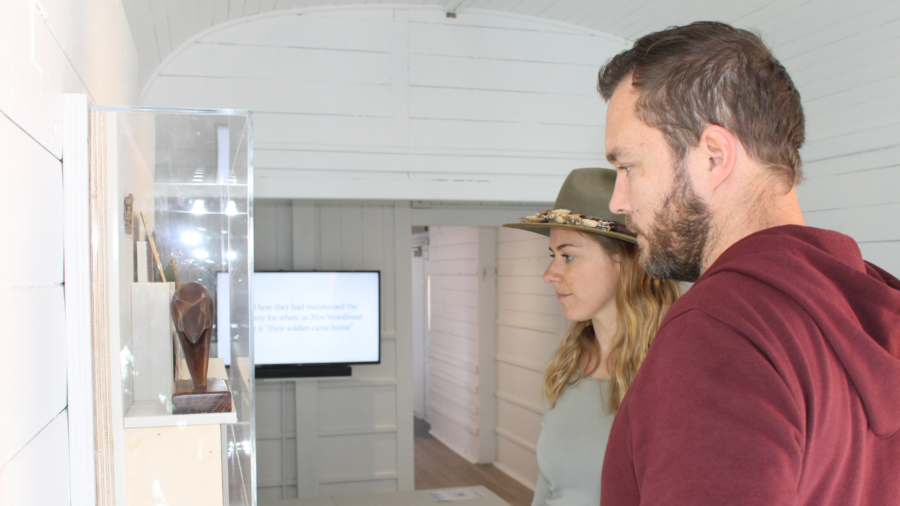
Explores one of the most fascinating stories in Australian history – a story that stretches from WW2 to modern-day Australia. From the capitals of Europe to the vast flatness of the Hay Plains.
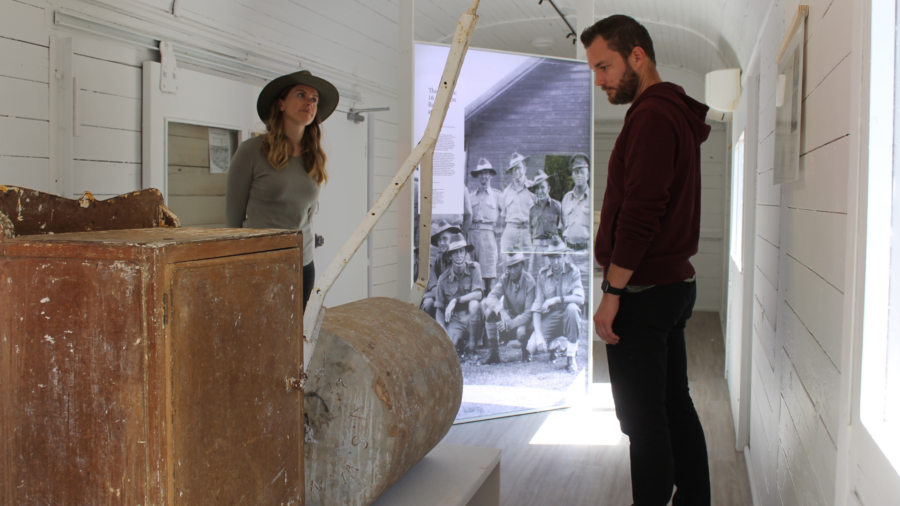
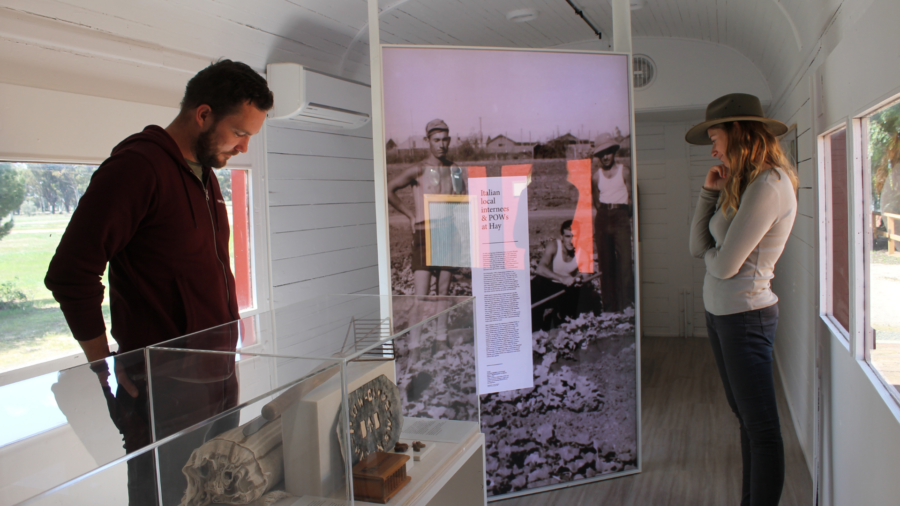
Over 6,000 German, Italian and Japanese civilian Internees and Prisoners of War (POW) were kept in three Prison Camps at Hay between 1940 and 1946. They were guarded by over 600 members of the 16th Australian Garrison Battalion.
The 'Dunera Boys', 1,984 German Jews and other refugees from Nazi-occupied Europe, were the first internees of British Government WWII policy and arrived in Hay on 7th September 1940.
The museum is a moving tribute to the power of the human spirit. Located at the Hay Railway.
Operating Hours
Open 7 days per week from 9am - 5pm
Contact Details
Phone: 02 6993 4045
Explore nearby
Historic Buildings
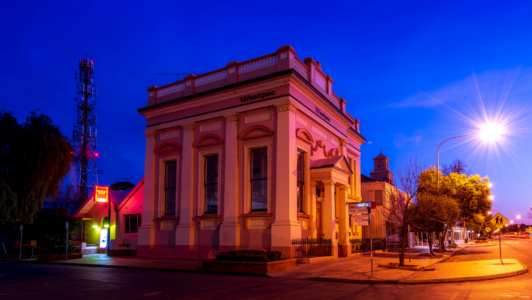
Hay is rich with history and heritage. Take a walk along the Heritage Trail during your visit and read the history of some of Hay’s wonderful historic buildings. Some buildings not to be missed that are not a part of the Heritage Walk are: Hay Railway StationHay War Memorial High SchoolHay War Memorial HallHay Gaol…
Carrathool
Carrathool
Carrathool is a village 64km east between Hay and Darlington Point and 5km north of the Sturt Highway. With a population of about 250 people, the town hub is the local Hotel. Every year in February they host the well know Carrathool races, it is home for farm stay Corynnia and accommodates camping on the…
Booligal
Just 45 mins north of Hay, the historic village of Booligal is located on the banks of the Lachlan River on the vast Hay Plains. Enjoy great country meals at the Duke of Edinburgh Hotel and explore the tiny village that includes a Long Paddock information panel that explores the history of the village including…